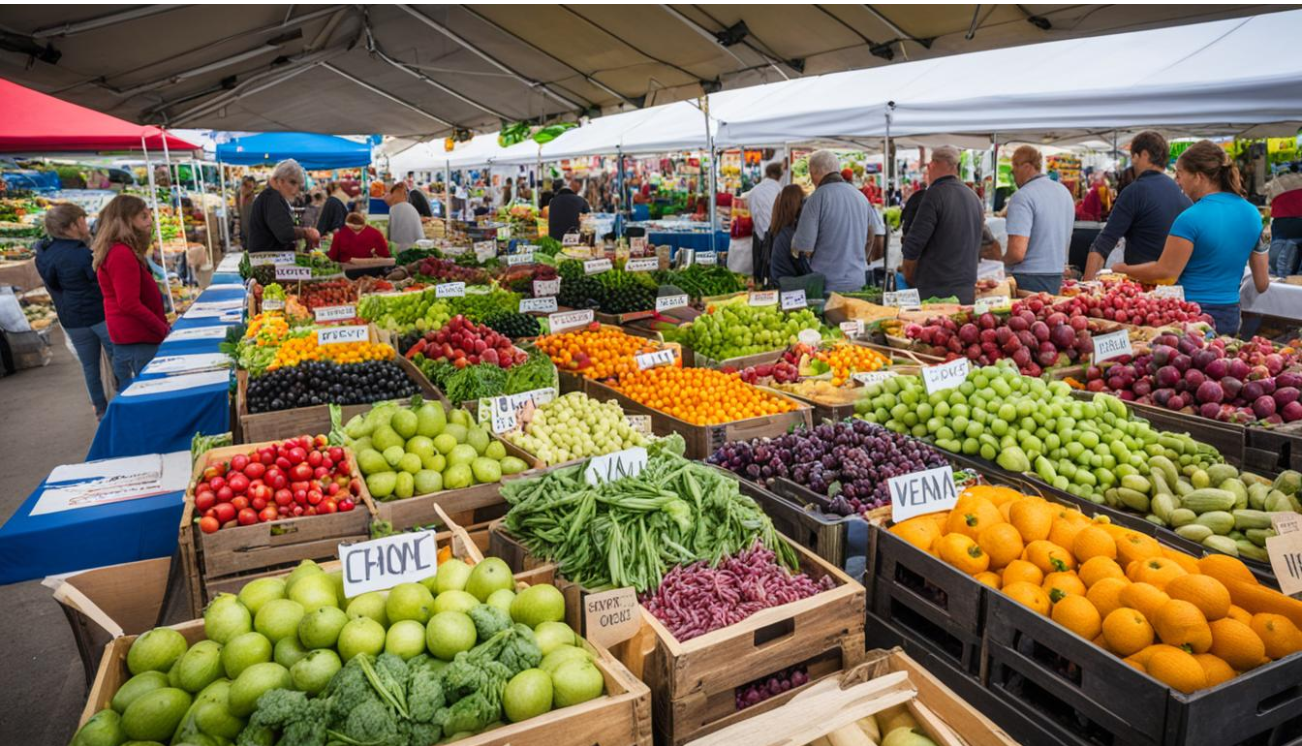
Agribusiness encompasses the economic sectors for farming and farming-related commerce. It involves all the steps for getting agricultural goods to the market, including production, processing, and distribution. The industry is a traditional part of any economy, especially for countries with arable land and excess agricultural products for export.
Agribusiness, as a sector, is all the different aspects of raising agricultural products as an integrated system. Trading farm goods is among the oldest human undertakings, but advances in the last century have made it a high-tech industry.1 Farmers raise animals and harvest fruits and vegetables with the help of sophisticated harvesting techniques, including using GPS to manage their operations. Manufacturers have developed increasingly automated machines that require very little labor. Processing plants are constantly renewing how they clean and package livestock to make production cleaner and more efficient.
While consumers don't see each part of this industry, we rely on the sector's efforts to remain sustainable while aiming for lower food prices.
Market forces, such as changing consumer attitudes, and natural forces, such as changes in the earth's climate, significantly influence agribusiness.2
Changes in consumer taste alter what products are grown and raised. For example, shifting away from red meat might cause demand—and therefore prices—for beef to fall, changing how thousands of acres of farmland are used. Increased demand for produce may shift the mix of fruits and vegetables that farmers raise, requiring investments in irrigation systems and other ways of boosting production. Businesses unable to rapidly change with domestic demand often first look to export their products. If there's no market, they may be unable to compete and remain in business without pivoting to other crops.

WILFAUST WILFAUST VENTURES provides services from General Agriculture, Agribusiness( [click to read more]